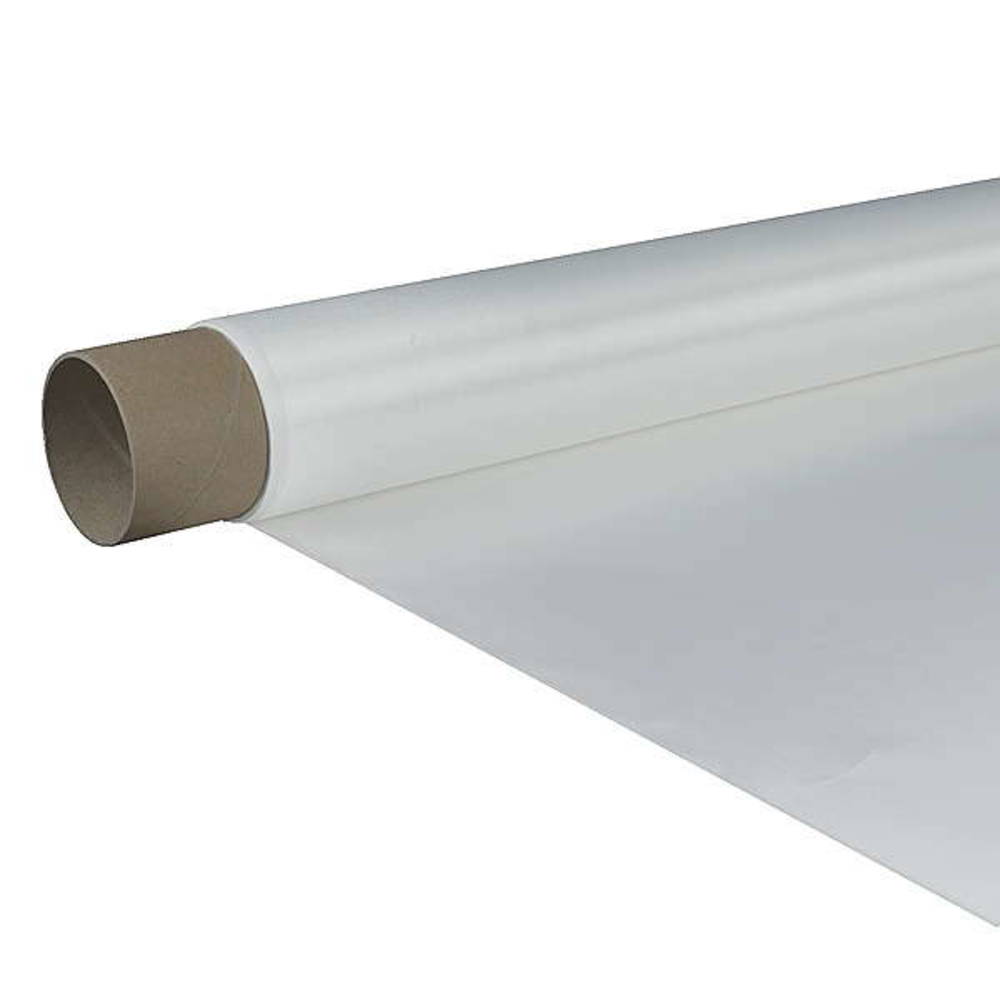
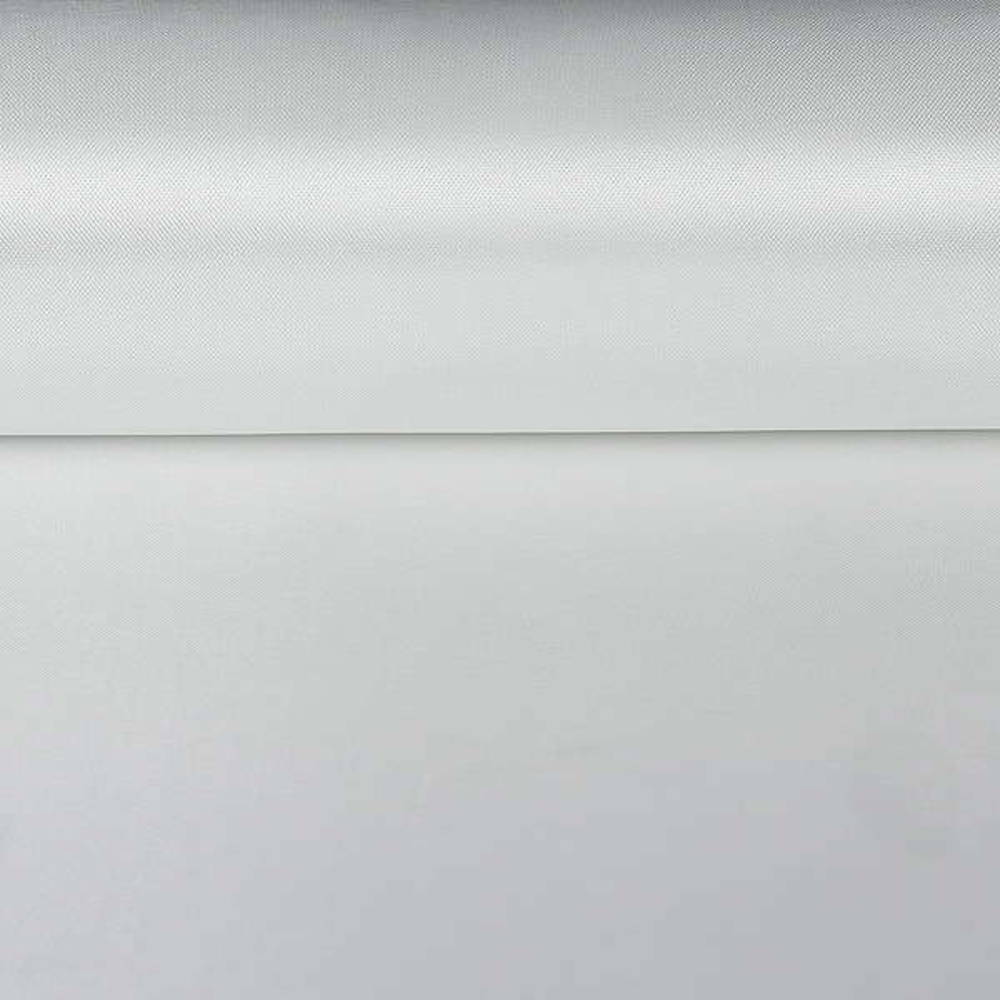
Lightweight E-glass fabric with an areal weight of 49 g/m² for thin surface reinforcement, covering and facing plies.
Suitable for reinforcing wood and veneer surfaces, covering model aircraft wings and producing lightweight GFRP and sandwich components. The 110 cm width provides convenient handling for small to medium-sized components and allows thin glass-fibre reinforcement with low additional weight.
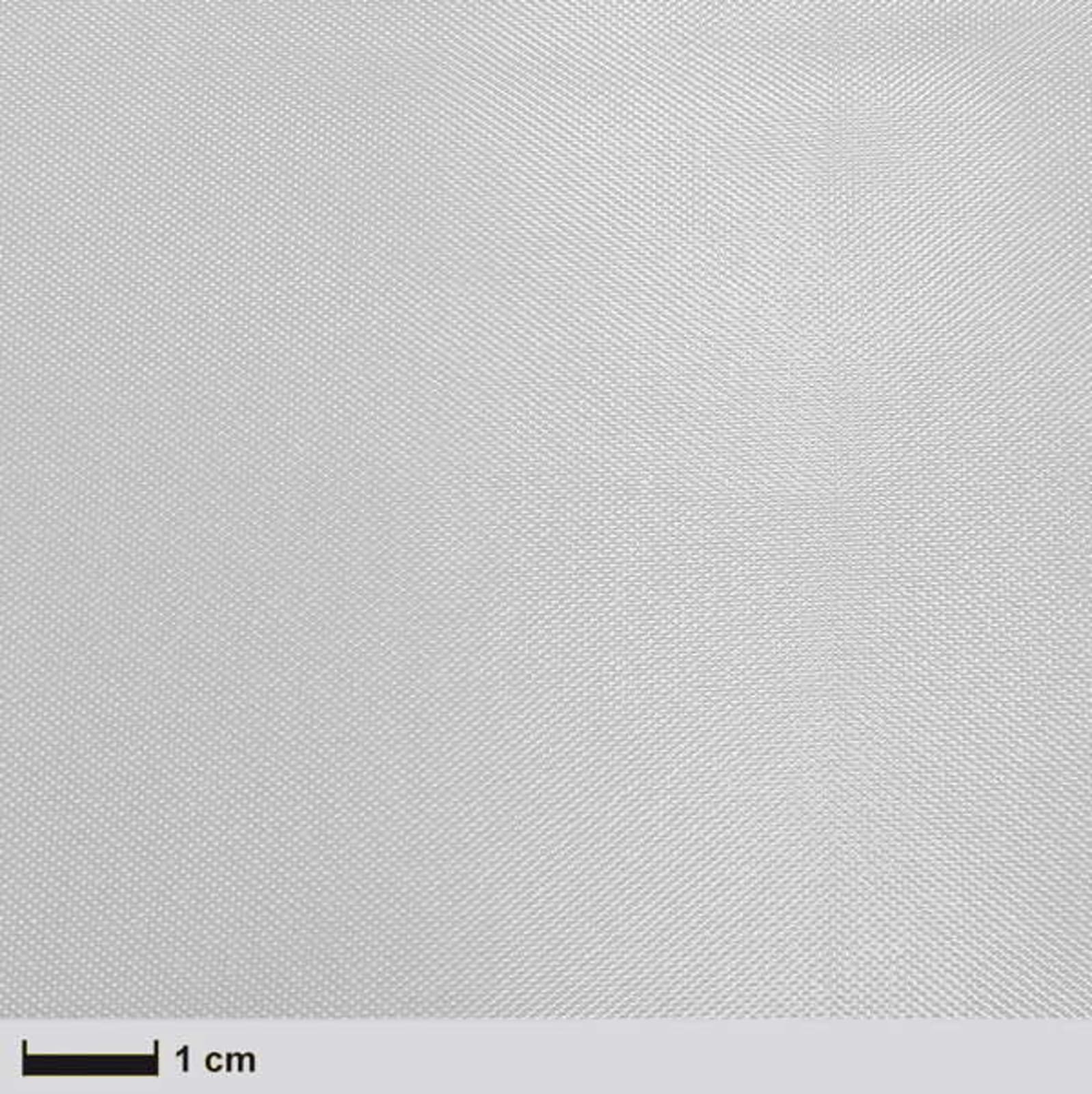
International Style 1080 (formerly Interglas 02037) with FE 800 finish is a fine E-glass fabric in plain weave. With an areal weight of 49 g/m², it is particularly suitable for lightweight surface reinforcement and facing plies where a thin glass-fibre reinforcement with low material build-up is required.
| International Style |
1080 (formerly Interglas 02037) |
| Fibre type |
E-glass |
| Areal weight |
49 g/m² |
| Finish |
FE 800 |
| Weave |
Plain weave |
| Yarn, warp / weft |
EC 5-11 / EC 5-11 |
| Thread count, warp / weft |
23.7 ends/cm / 18.5 picks/cm |
| Fabric thickness |
approx. 0.06 mm |
| Width |
110 cm |
Benefits of the Fabric
With an areal weight of 49 g/m², International Style 1080 provides lightweight glass-fibre reinforcement for applications where low laminate thickness and low additional material build-up are important. Compared with very lightweight glass fabrics, the higher areal weight provides a somewhat greater fibre contribution per ply while retaining the characteristics of a fine surface and facing fabric.
The fine plain-weave construction provides a uniform fabric structure. Due to the different thread counts of 23.7 ends/cm in the warp direction and 18.5 picks/cm in the weft direction, the fabric construction is not fully symmetrical.
The high number of yarn interlacings in the plain weave provides good resistance to yarn displacement. This helps minimise distortion during cutting, handling and positioning.
Applications
The 49 g/m² glass fabric is suitable for lightweight surface reinforcement, covering and facing plies as well as thin GFRP laminates. It is particularly useful where a fine glass-fibre reinforcement is required together with a higher fibre contribution per ply than provided by very lightweight fabrics.
Typical applications:
- Reinforcement and covering of wood and veneer surfaces
- Wings and lightweight components in model aircraft construction
- Facing plies for honeycomb and sandwich components
- Thin surface and facing plies in GFRP laminates
- Lightweight model-making and composite components
- Printed circuit boards and technical laminates
Suitable Resin Systems
The glass fabric can be processed with suitable epoxy, polyester and vinyl ester resin systems. Low-viscosity laminating resins are advantageous for thin laminates and surface reinforcement because they facilitate uniform wet-out of the fine fabric.
Epoxy resin systems are commonly used for wood and veneer reinforcement as well as more highly loaded lightweight composite applications, particularly where good adhesion to the substrate and high mechanical properties are required.
Calculated Data for Hand Lay-Up Laminates with 35 Vol.-% Fibre Content
| Resin consumption |
39 g/m² |
| Laminate thickness |
0.054 mm |
| Laminate weight |
88 g/m² |
Benefits of the 110 cm Width
The 110 cm width is particularly suitable for small to medium-sized components, wings, model components and narrower wood or veneer surfaces. At this width, the fabric can be laid out, positioned and cut efficiently.
Where the component geometry does not require a greater material width, the 110 cm version can provide efficient material utilisation and reduce offcuts compared with a wider fabric.
Technical Notes
Handling
The dry fabric should be cut carefully and positioned with as little distortion as possible. The plain-weave construction provides good resistance to yarn displacement and facilitates handling of the fine fabric.
Resin Application
Apply the resin uniformly and in an amount appropriate for the fabric. Excess resin increases laminate weight and thickness without increasing the fibre content or the fibre-related reinforcing contribution.
Wood and Veneer Reinforcement
The low areal weight allows a thin glass-fibre reinforcement with comparatively little additional mass. The substrate should be clean, dry and compatible with the selected resin system.
Sandwich Components
The fabric can be used for lightweight facing plies in sandwich structures. The required facing lay-up depends on the core material, component geometry and mechanical loading and cannot be determined from the fabric areal weight alone.
Plain Weave
The high number of yarn interlacings gives the plain weave good resistance to yarn displacement and facilitates distortion-free cutting and handling. For strongly three-dimensional component geometries, twill or satin weave fabrics generally provide better drapability.








 MSDS Interglas Glass fabric (PDF)