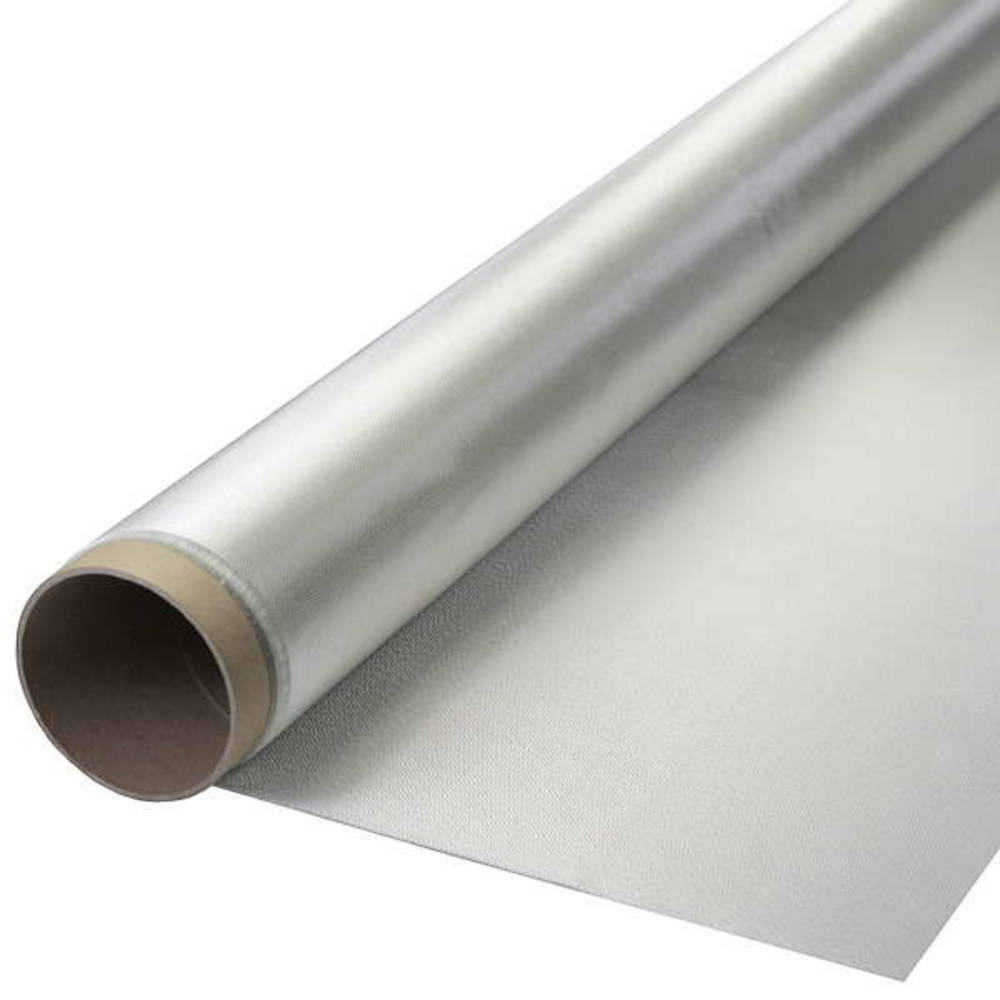
Fine E-glass fabric with an areal weight of 105 g/m² in 1/3 twill weave for thin, high-quality GFRP laminates and shell-type wing construction.
International Style 120 (formerly Interglas 91111) with FK 144 finish. The dense fabric construction allows a high fibre content with comparatively low resin uptake. The twill weave provides good conformability to curved component geometries.
MATERIAL ACCORDING TO AVIATION STANDARD
International Style 120 (formerly Interglas 91111) with FK 144 finish is a densely woven E-glass fabric in 1/3 twill weave. With an areal weight of 105 g/m², it is particularly suitable for thin GFRP laminates with a high fibre content as well as wings and other lightweight shell components.
| International Style |
120 (formerly Interglas 91111) |
| WLB No. |
8.4544.60 |
| Fibre type |
E-glass |
| Areal weight |
105 g/m² |
| Finish |
FK 144 |
| Weave |
1/3 twill |
| Yarn, warp / weft |
EC 5-11 × 2 / EC 5-11 × 2 |
| Thread count, warp / weft |
23.7 ends/cm / 22.5 picks/cm |
| Width |
100 cm |
Benefits of the Fabric
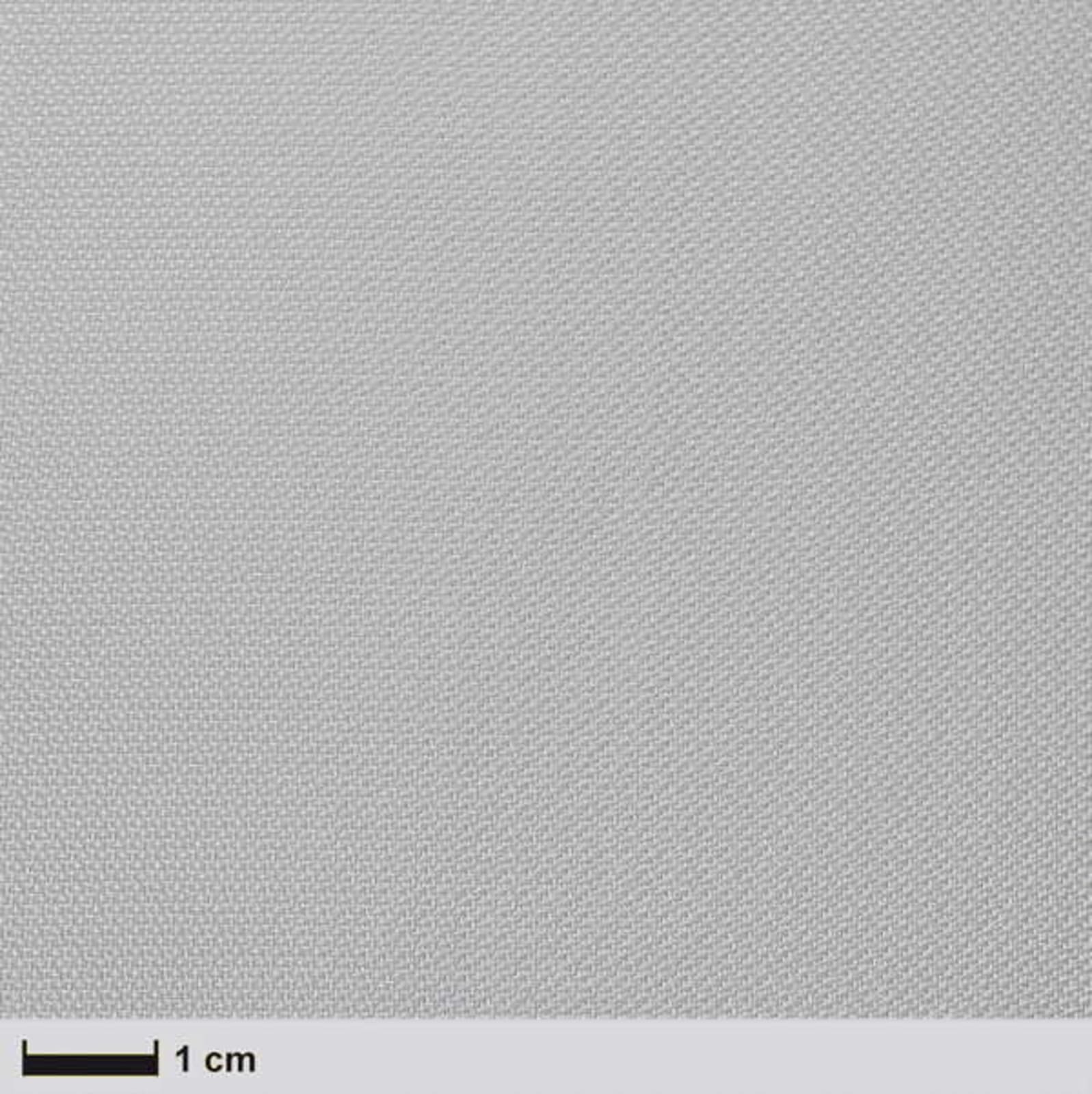
International Style 120 is characterised by a dense fabric construction with a high thread count. With 23.7 ends/cm in the warp direction and 22.5 picks/cm in the weft direction, combined with identical yarn in both directions, the fabric provides a largely uniform fibre distribution in its two principal directions.
The dense weave allows thin GFRP laminates with a high fibre content to be produced. Compared with less densely woven glass fabrics, resin uptake is lower, allowing an efficient fibre-to-resin ratio to be achieved with appropriate processing.
The 1/3 twill weave provides greater drapability than a plain weave. This allows the fabric to conform more readily to curved contours, which is particularly advantageous for shell-type wing construction and comparable moulded components.
Applications
The 105 g/m² glass fabric is particularly suitable for thin-walled GFRP components with a high fibre content. A key application is shell-type wing construction, where low weight, thin laminate sections and good conformity of the fabric to the mould contour are important.
Typical applications:
- Shell-type wing construction
- Thin-walled GFRP shell components
- GFRP panels with a high fibre content
- Lightweight curved composite components
- Model aircraft and lightweight composite applications
- Applications requiring a material according to aviation standard
Suitable Resin Systems
The glass fabric can be processed with suitable epoxy, polyester and vinyl ester resin systems. Low-viscosity laminating resins are advantageous for thin laminates with a high fibre content because they facilitate uniform wet-out of the dense fabric construction.
Suitable epoxy resin systems are commonly used for highly loaded lightweight components and particularly for aviation applications. For aviation use, the fabric must be combined with the resin system specified or approved for the particular application and processed in accordance with the applicable requirements for the component construction.
Calculated Data for Hand Lay-Up Laminates with 35 Vol.-% Fibre Content
| Resin consumption |
83 g/m² |
| Laminate thickness |
0.115 mm |
| Laminate weight |
188 g/m² |
Benefits of the 100 cm Width
The 100 cm width is particularly suitable for wings, shell components, GFRP panels and small to medium-sized composite components. The fabric can be laid out, cut and adapted to the respective component geometry efficiently.
Components within the available fabric width can be covered without an additional longitudinal joint. For larger components, individual plies can be arranged according to the specified fibre orientation and component geometry.
Technical Notes
1/3 Twill Weave
The twill construction has longer floats and fewer yarn interlacings than a plain weave. This provides greater drapability and allows the fabric to conform more readily to curved component geometries. Care should nevertheless be taken during cutting and positioning to minimise unwanted yarn distortion.
Dense Fabric Construction
The high thread count results in a dense fabric structure. This supports a high fibre content in the laminate and reduces resin uptake compared with less densely woven glass fabrics. The actual resin content also depends on resin viscosity, processing method and consolidation.
Resin Application
Apply the resin uniformly and in a controlled manner. Particularly when producing thin laminates with a high fibre content, unnecessary excess resin should be avoided, as it increases laminate weight and thickness without increasing the fibre content.
Shell Construction
For wings and other thin-walled shell components, the fabric should be laid with minimal distortion and in accordance with the specified fibre orientation. The required laminate lay-up depends on component geometry and mechanical loading.
Aviation Applications
The fabric is specified as a material according to aviation standard. For the specific application, the applicable material, processing and approval requirements of the component or aircraft type must also be observed.








 MSDS Interglas Glass fabric (PDF)