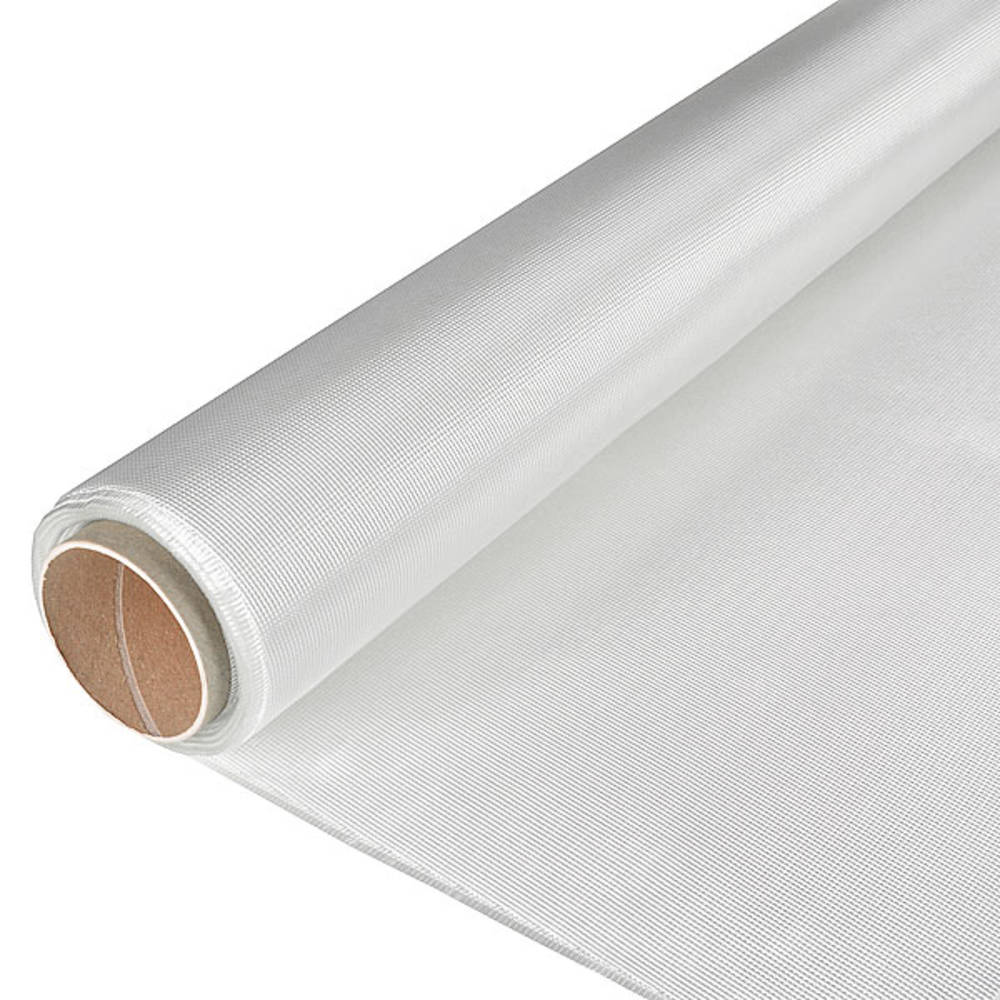
Heavy, highly drapeable 600 g/m² glass fabric for mould and tool construction.
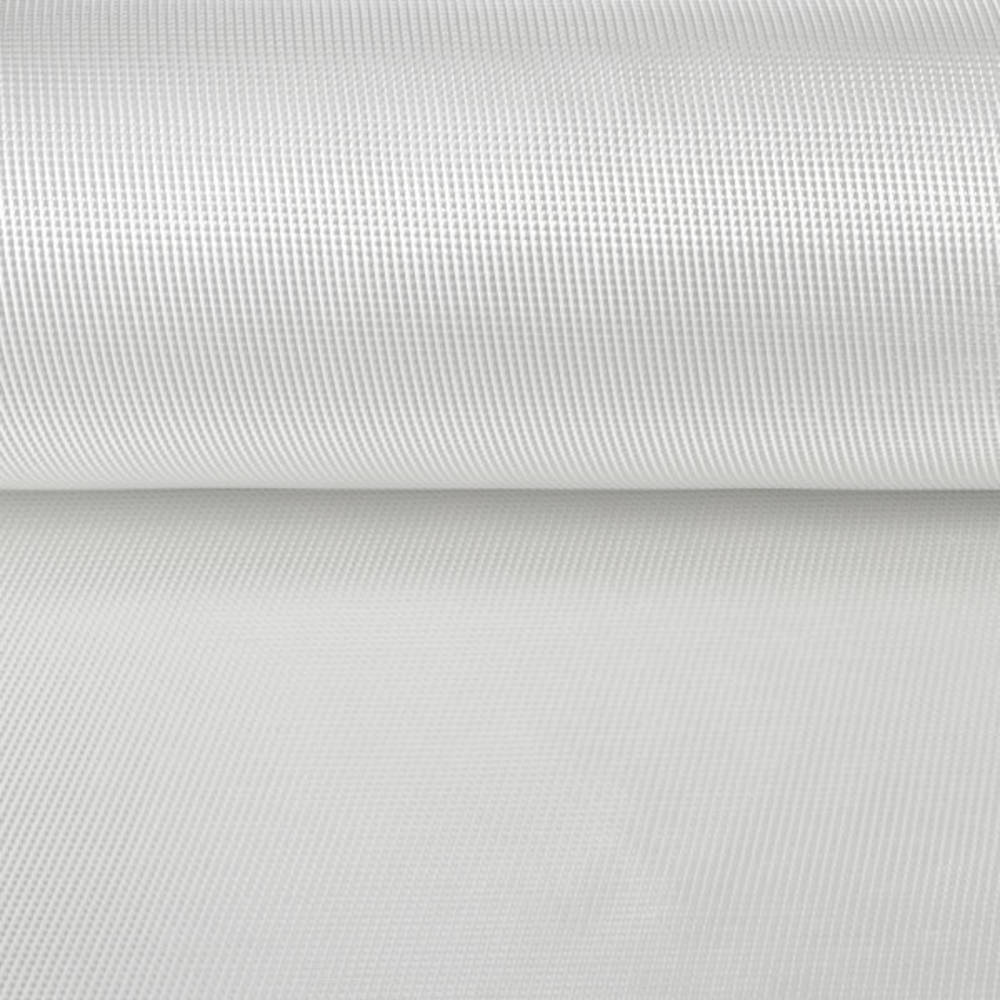
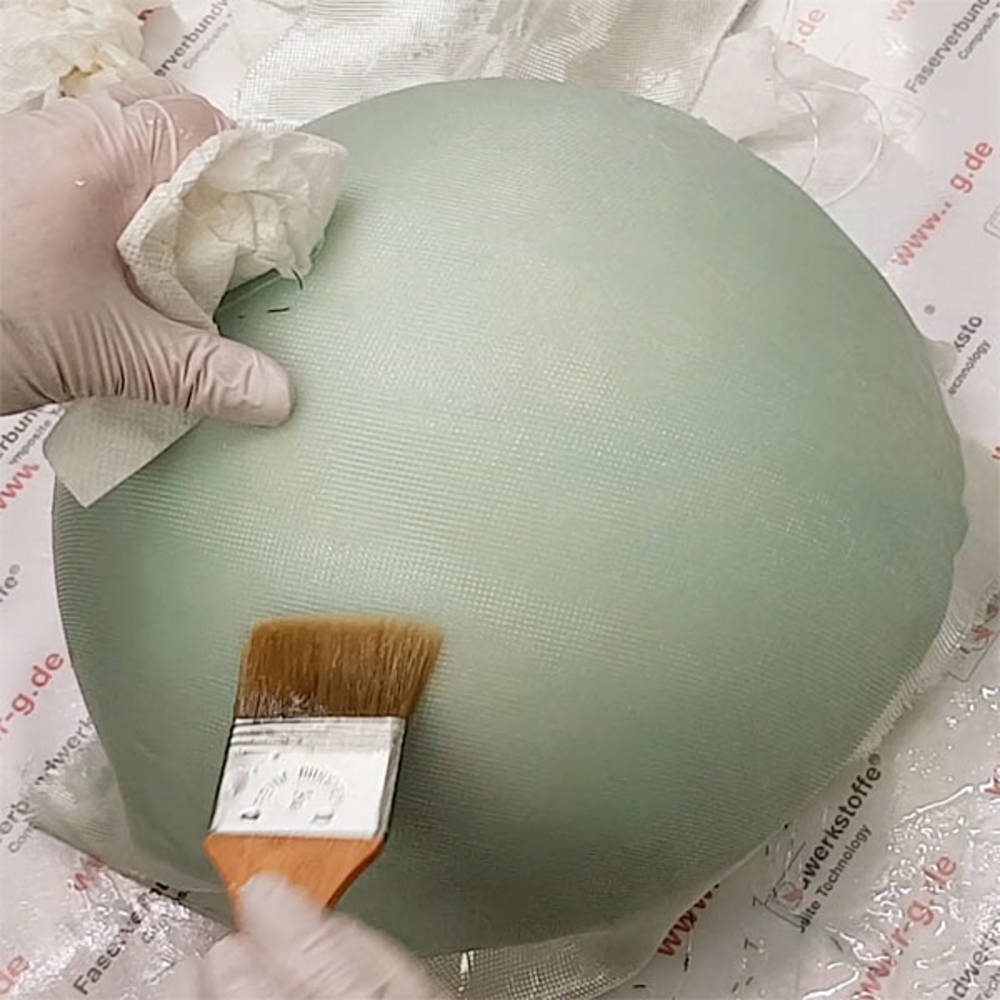
Interglas 04367 combines a very high thread count with a special HD weave. This produces a comparatively dense fabric structure which, despite the high areal weight, conforms well to radii and more complex contours. The FK144 finish supports rapid wet-out when processing with epoxy resins.
Interglas 04367 glass fabric was specifically developed for the economical production of moulds, tools and other relatively thick GFRP laminates. With an areal weight of 600 g/m², each ply introduces a high quantity of glass reinforcement into the laminate, allowing the required wall thickness to be built up with comparatively few fabric plies.
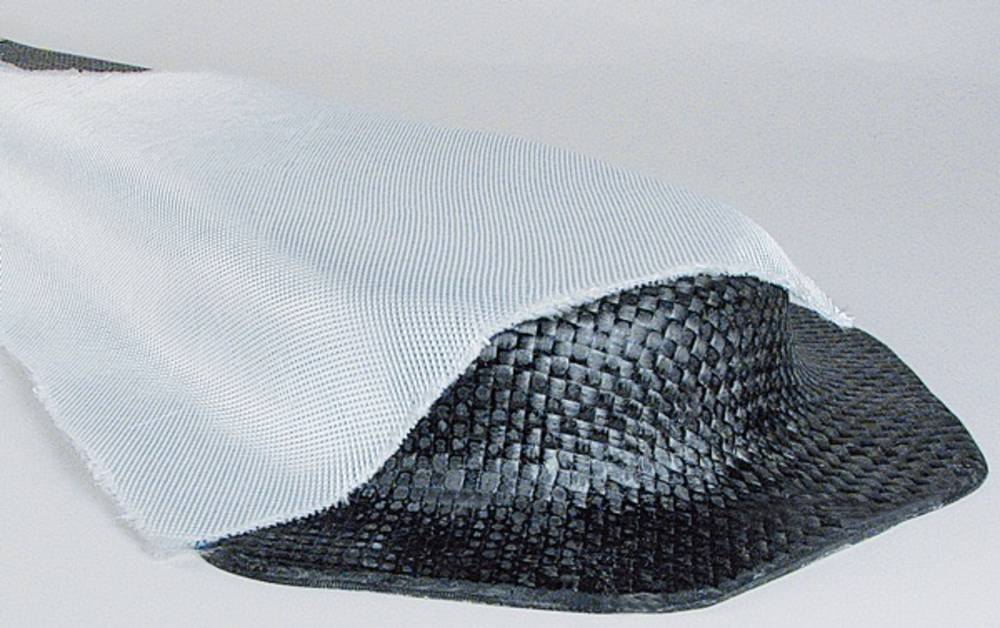
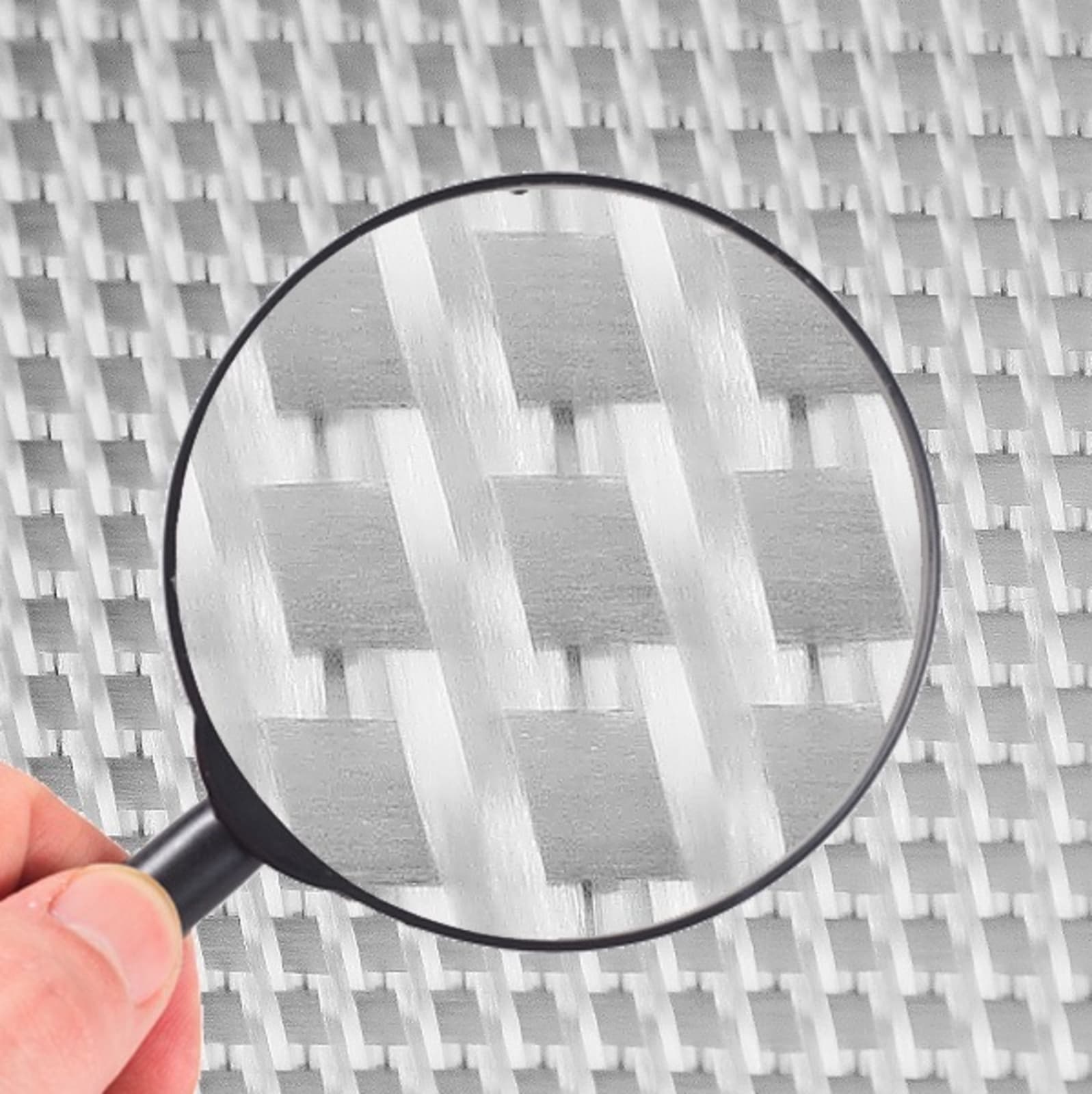
A key feature is the special HD weave. It combines the high thread count of a finely constructed glass-filament fabric with very good drapability for a reinforcement in this weight class. This allows the material to be positioned in a controlled manner around radii, edges and three-dimensional surfaces.
| Interglas / Style | 04367 |
| Areal weight | 600 g/m² ± 5% |
| Finish | FK144 |
| Weave | Special HD weave, highly drapeable |
| Warp yarn | EC9-68 tex |
| Weft yarn | EC9-272 tex |
| Warp density | 44.0 ends/cm |
| Weft density | 11.0 picks/cm |
| Width | 100 cm |
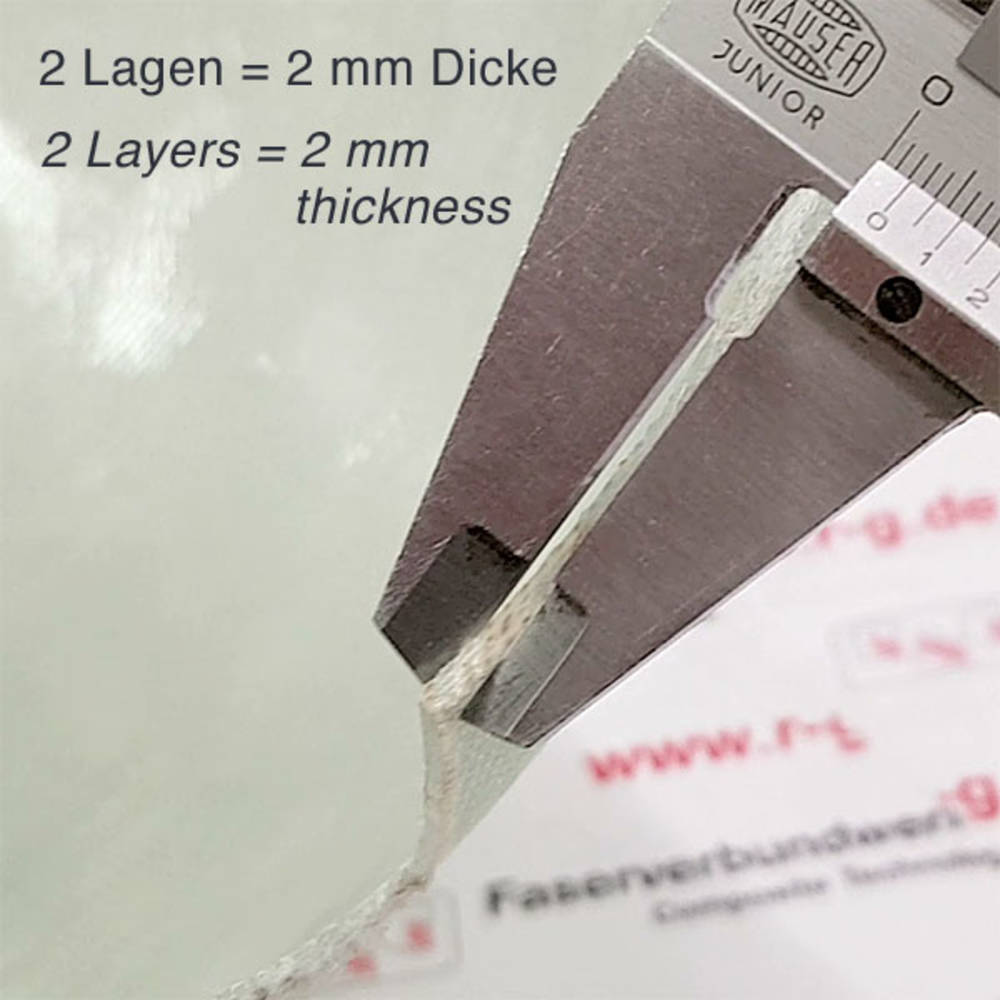
| Dry fabric thickness | approx. 0.75 mm |
Benefits of the Fabric
- 600 g/m² areal weight for rapid laminate build-up
- special HD weave with very good drapability
- high thread count for a comparatively dense fabric structure
- good conformity to radii and three-dimensional contours
- finer fabric construction than heavy glass roving fabrics
- FK144 finish for good processing with epoxy resins
Applications
The fabric is particularly suitable for applications where greater laminate thicknesses are to be built up with a relatively small number of plies, while providing a finer surface structure and better drapability than coarse glass roving fabrics.
Typical applications:
- mould construction
- tooling
- model and prototype construction
- larger GFRP shells and moulded parts
- substantial backing and reinforcement plies
- technical laminates requiring greater wall thickness
Suitable Resin Systems
The FK144 finish is suitable for processing with epoxy resins. For a uniform laminate build-up, a sufficiently low-viscosity laminating resin is recommended to ensure complete wet-out of the densely constructed fabric.
With a fabric of this areal weight, the resin should be worked thoroughly into the reinforcement. Dry or still light-coloured areas should be fully impregnated before additional fabric plies are applied.
Fabric and Laminate Thickness
| Dry fabric thickness | approx. 0.75 mm |
| Laminate thickness at 43 vol.-% fibre content | approx. 0.54 mm |
The frequently quoted value of 0.75 mm refers to the nominal thickness of the dry fabric. Consolidation during laminating reduces the thickness of the finished laminate ply. The manufacturer specifies approximately 0.54 mm laminate thickness at a fibre volume fraction of 43%.
Benefits of the 100 cm Width
The 100 cm width is practical for a heavy tooling fabric. It allows large continuous cut pieces while remaining manageable when positioning the reinforcement in moulds and forming it around radii. On larger moulds, this can also reduce the number of fabric joints required.
Technical Notes
Special HD weave
Interglas 04367 uses a special highly drapeable HD weave. It should not be described as a conventional plain weave. The special fabric construction allows good conformity to radii, edges and more complex component geometries despite the high areal weight.
Fabric construction
The warp contains a comparatively high density of 44 ends/cm using fine EC9-68 yarn. The weft uses 11 picks/cm of the correspondingly heavier EC9-272 yarn. This produces a denser and finer fabric construction than heavy glass roving fabrics.
Mould construction
The high areal weight allows substantial laminate wall thickness to be built up efficiently. For the surface layer of a mould, the specified tooling resin or surface system is normally applied first; the 600 g/m² fabric is then primarily used for the structural build-up of the mould.
No aviation standard
The available product specification for Interglas 04367 does not specify a WLB, DIN 65066, AMS/MIL or comparable aviation standard.








 MSDS Interglas Glass fabric (PDF)