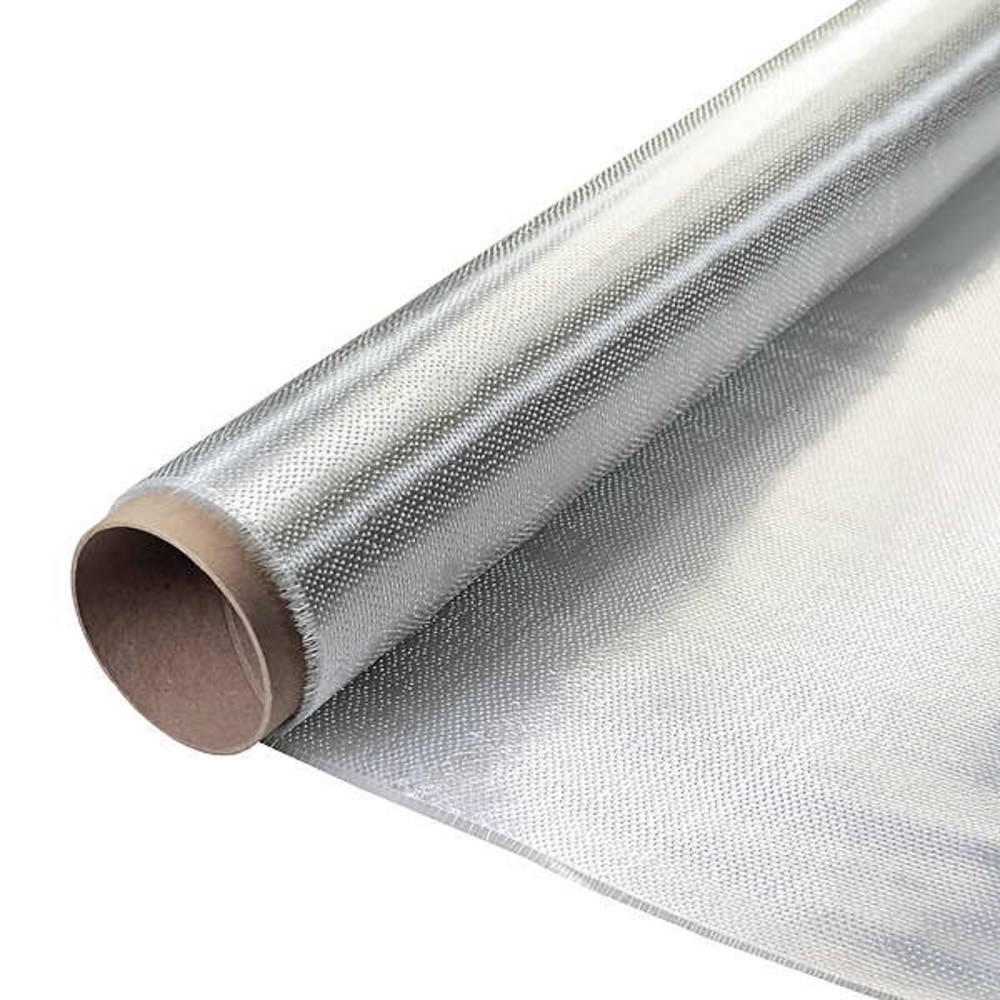
Warp-reinforced (unidirectional) E-glass fabric with an areal weight of 220 g/m² for components requiring high strength and stiffness primarily in one load direction.
Interglas 92145 with FK 144 finish. The majority of the reinforcing fibres are oriented in the warp direction, while the weft yarns stabilise the fabric structure and facilitate handling. Particularly suitable for spars, spar caps, longitudinal reinforcement and other structural GFRP components with a pronounced principal load direction.
MATERIAL ACCORDING TO AVIATION STANDARD
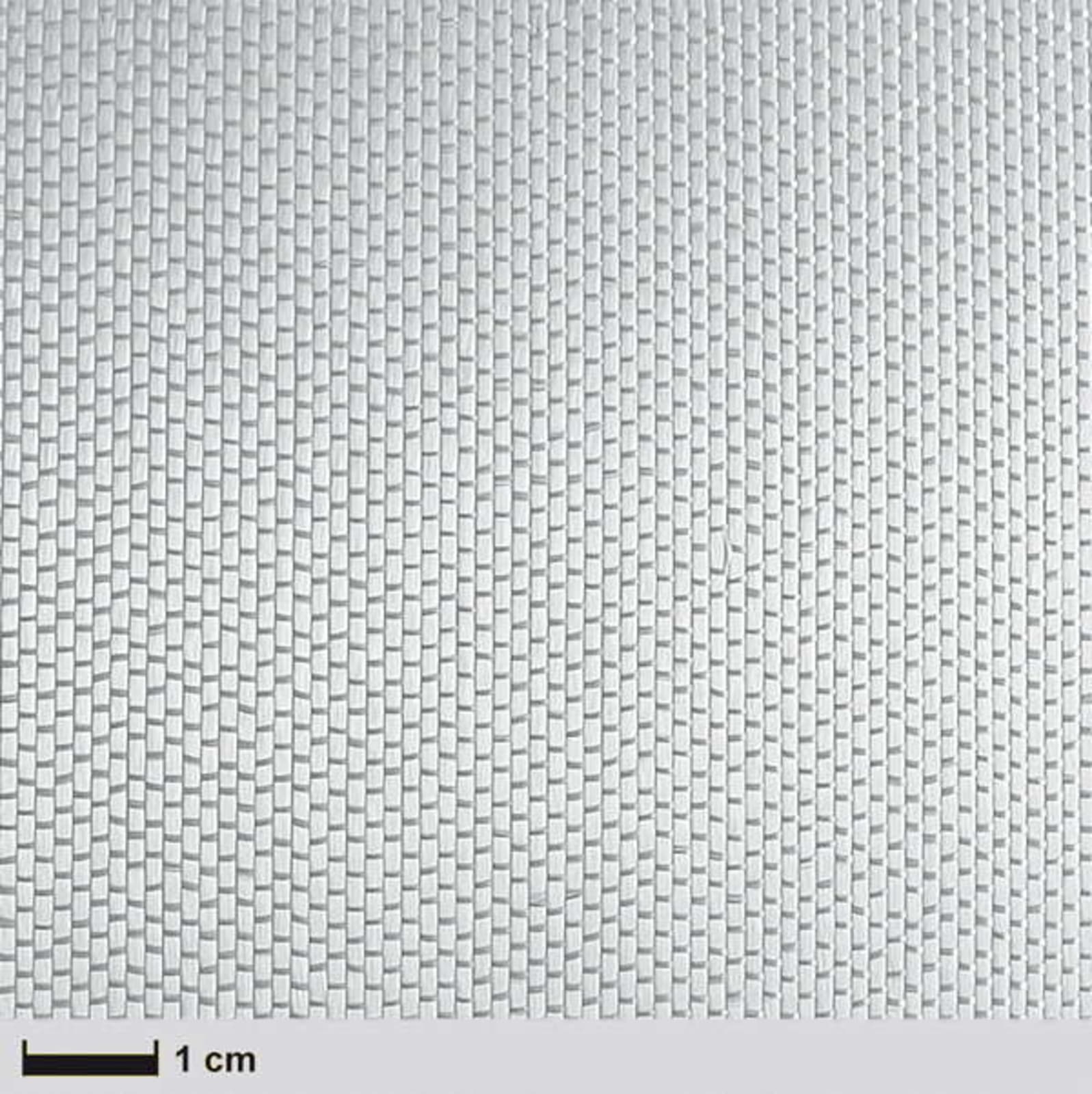
Interglas 92145 is a warp-reinforced (unidirectional) E-glass fabric for structural lightweight applications. Unlike a conventional fabric with an approximately balanced fibre distribution, a substantially greater proportion of the glass fibres is oriented in the warp direction. The fabric is therefore particularly suitable for components where the principal load acts predominantly in one direction.
The term “unidirectional” refers to the pronounced principal reinforcement direction. This is not a pure UD non-crimp reinforcement: weft yarns are present to bind and stabilise the warp yarns, producing a fabric that can be cut, positioned and processed reliably.
| Interglas |
92145 |
| Fibre type |
E-glass |
| Areal weight |
220 g/m² |
| Finish |
FK 144 |
| Fabric construction |
Warp-reinforced (unidirectional) |
| Width |
100 cm |
Benefits of the Fabric
The key advantage of Interglas 92145 is its directional fibre distribution. The majority of the reinforcing fibres run in the warp direction, allowing strength and stiffness to be concentrated where the component is predominantly loaded longitudinally.
Compared with a conventional glass fabric with an approximately balanced fibre distribution in warp and weft, less fibre weight is assigned to the direction transverse to the principal load. This makes the warp-reinforced construction particularly suitable for load-oriented lightweight structures.
At the same time, the woven construction provides easier handling than a loose unidirectional fibre arrangement. The weft yarns stabilise the warp reinforcement and facilitate cutting, positioning and lamination.
Applications
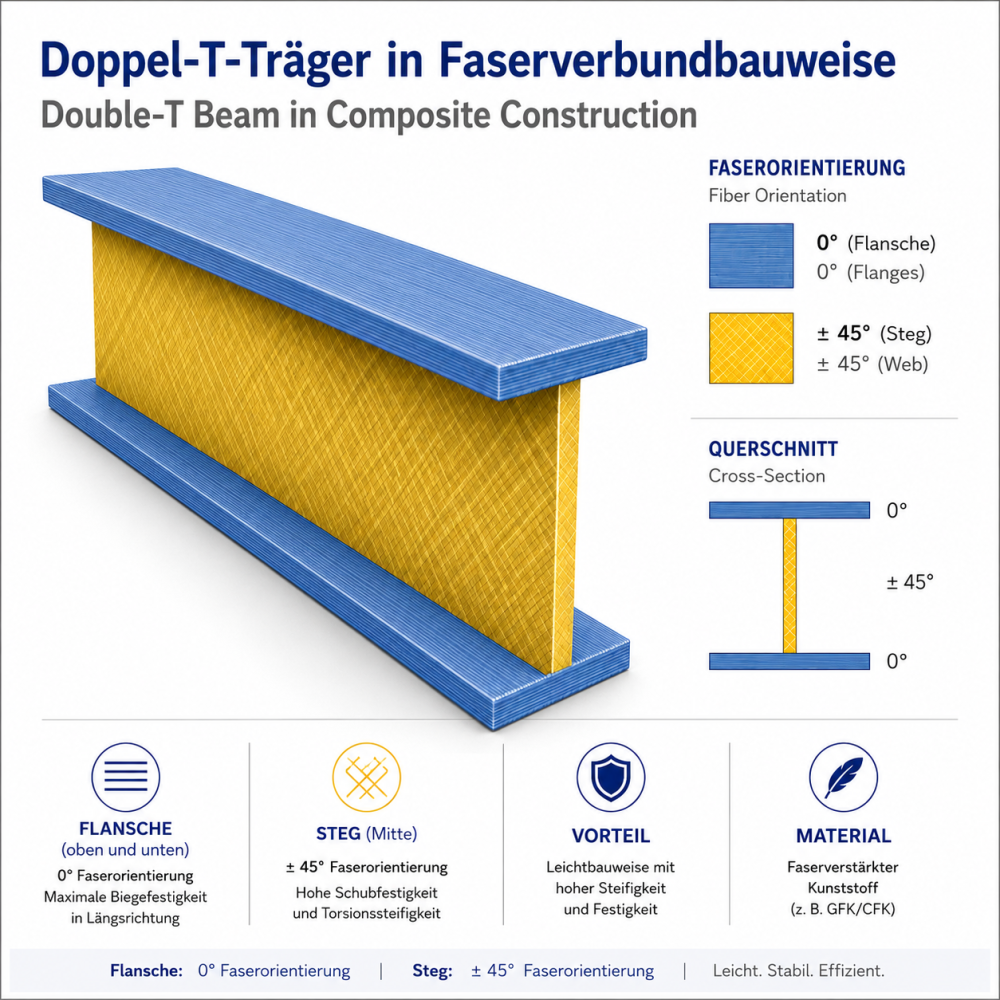
The warp-reinforced (unidirectional) glass fabric is intended for components requiring strength and stiffness primarily along a defined direction. The warp direction should therefore be aligned with the principal load direction of the component.
Typical applications:
- Spars and spar caps
- Longitudinal reinforcement in aircraft and model aircraft structures
- Load-bearing caps and reinforcement zones
- Longitudinal reinforcement in marine and automotive components
- Structural GFRP components with directional load transfer
- Lightweight structures with a pronounced principal load direction
Suitable Resin Systems
The glass fabric can be processed with suitable epoxy, polyester and vinyl ester resin systems. Suitable epoxy resin systems are generally used for highly loaded structural and lightweight composite components.
For aviation applications, the specified resin system, prescribed laminate lay-up and applicable processing and approval requirements must be observed.
Calculated Data for Hand Lay-Up Laminates with 35 Vol.-% Fibre Content
The calculated values refer to a hand lay-up laminate with a fibre volume fraction of 35%. Values achieved in practice may vary depending on the resin system, processing method and degree of consolidation.
Benefits of the 100 cm Width
The 100 cm width allows flexible cutting of plies for spars, caps and elongated reinforcement areas. For narrow reinforcement strips, several plies can be nested across the fabric width, allowing efficient material utilisation.
The warp direction must be taken into account when planning the cutting layout. It represents the principal reinforcement direction of the fabric and should be aligned with the intended load path in the component.
Technical Notes
What Does “Warp-Reinforced (Unidirectional)” Mean?
The majority of the reinforcing fibres run in the warp direction. This gives the fabric a pronounced principal reinforcement direction and makes it suitable for components subjected predominantly to directional loading.
Not a Pure UD Non-Crimp Fabric
Interglas 92145 is a woven fabric rather than a reinforcement consisting exclusively of parallel unidirectional fibres. The weft yarns stabilise the warp reinforcement and provide a fabric structure that is easy to handle.
Fibre Orientation
In structural laminates, the warp direction must be aligned with the principal load direction specified by the component design. Incorrect orientation will not make effective use of the directional reinforcement provided by the fabric.
Resin Application
Apply the resin uniformly and in the quantity required for complete wet-out. Unnecessary excess resin increases laminate weight and thickness without increasing the fibre-related reinforcing contribution.
Aviation Applications
The fabric is specified as a material according to aviation standard. For the specific application, the specified resin system, prescribed laminate lay-up, manufacturing process and applicable approval requirements must also be observed.








 MSDS Interglas Glass fabric (PDF)